Math can sometimes be challenging, but understanding some basic properties can make it easier. One of these properties is the associative property of addition, which helps us add numbers in a more efficient way.
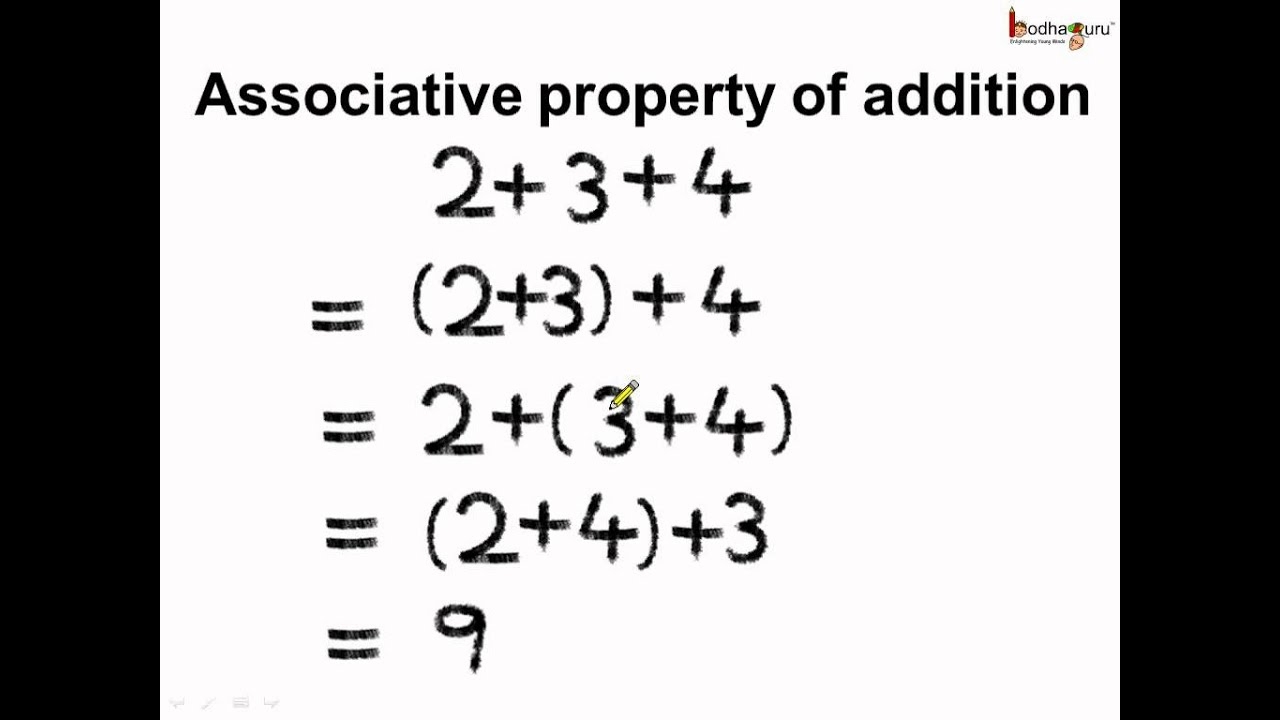
Imagine you have three numbers to add: 2, 3, and 4. Instead of adding them in the order they appear, you can group any two numbers together and add them first. This property states that no matter how you group the numbers, the sum will remain the same.
associative property of addition
The Associative Property of Addition
For example, if we group 2 and 3 together first (2 + 3 = 5) and then add 4, the result will be the same as if we had grouped 3 and 4 first (3 + 4 = 7) and then added 2. In both cases, the sum is 9.
This property allows us to rearrange the numbers in an addition problem without changing the final result. It helps us simplify calculations and makes it easier to add multiple numbers quickly and accurately.
Whether you’re adding small numbers in your head or working on more complex math problems, the associative property of addition can be a handy tool to have in your mathematical toolkit. It’s a simple concept that can have a big impact on how efficiently you can perform addition.
So next time you’re faced with a long list of numbers to add, remember the associative property and try grouping them in different ways to see how it can make your calculations easier. Practice using this property, and soon you’ll be adding numbers like a math whiz!
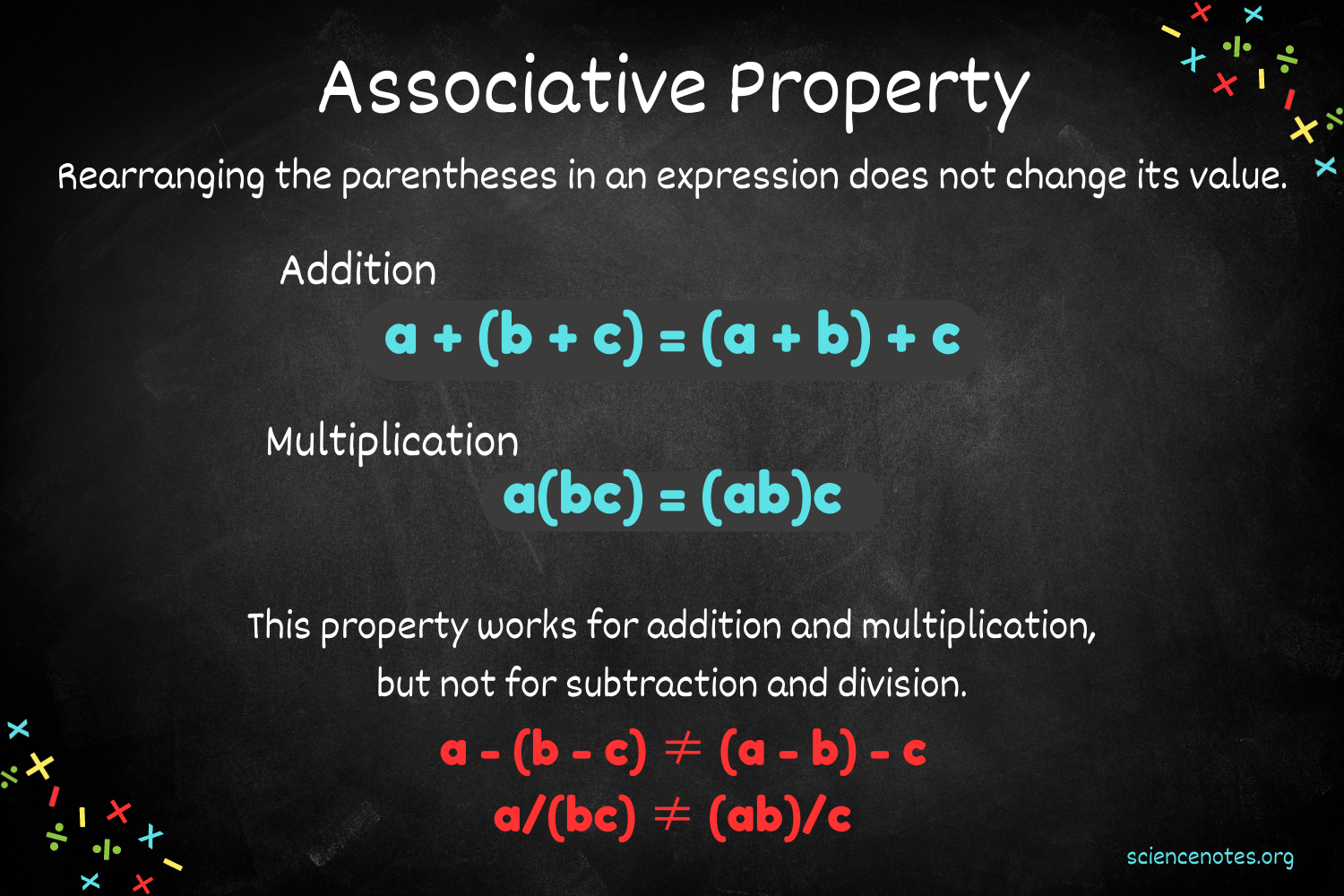
Associative Property In Math Definition And Examples
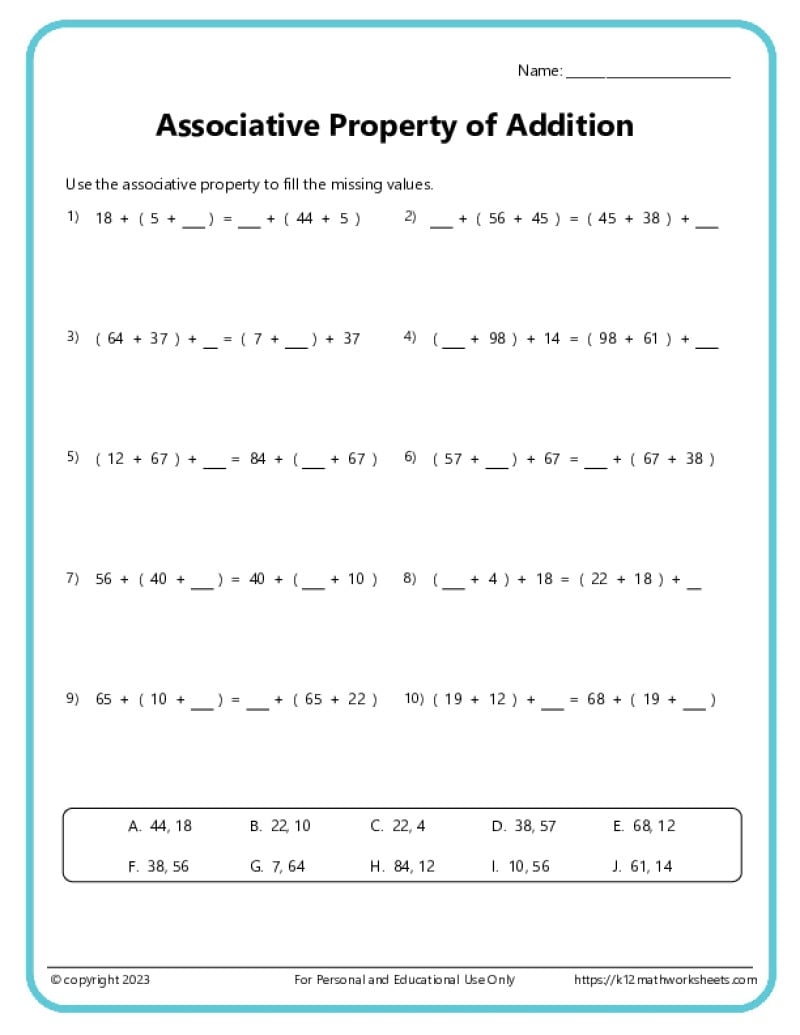
Associative Property Of Addition Worksheets K12 Math Worksheets
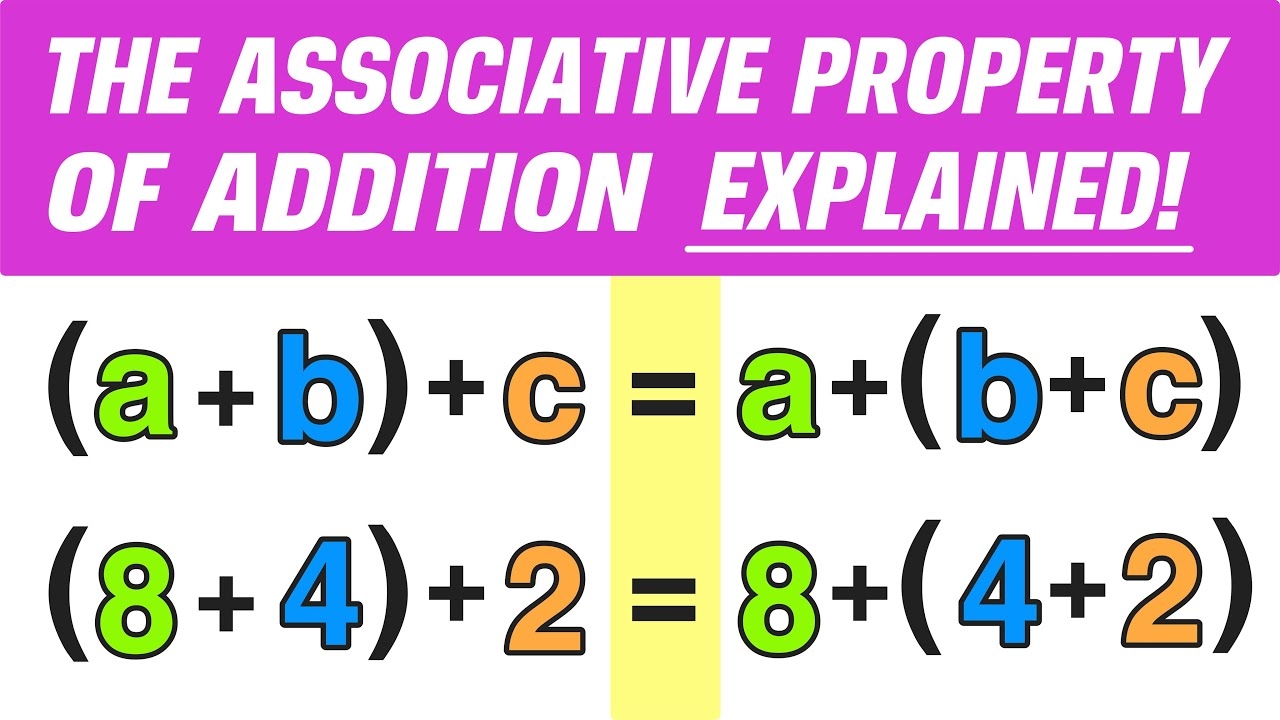
YouTube
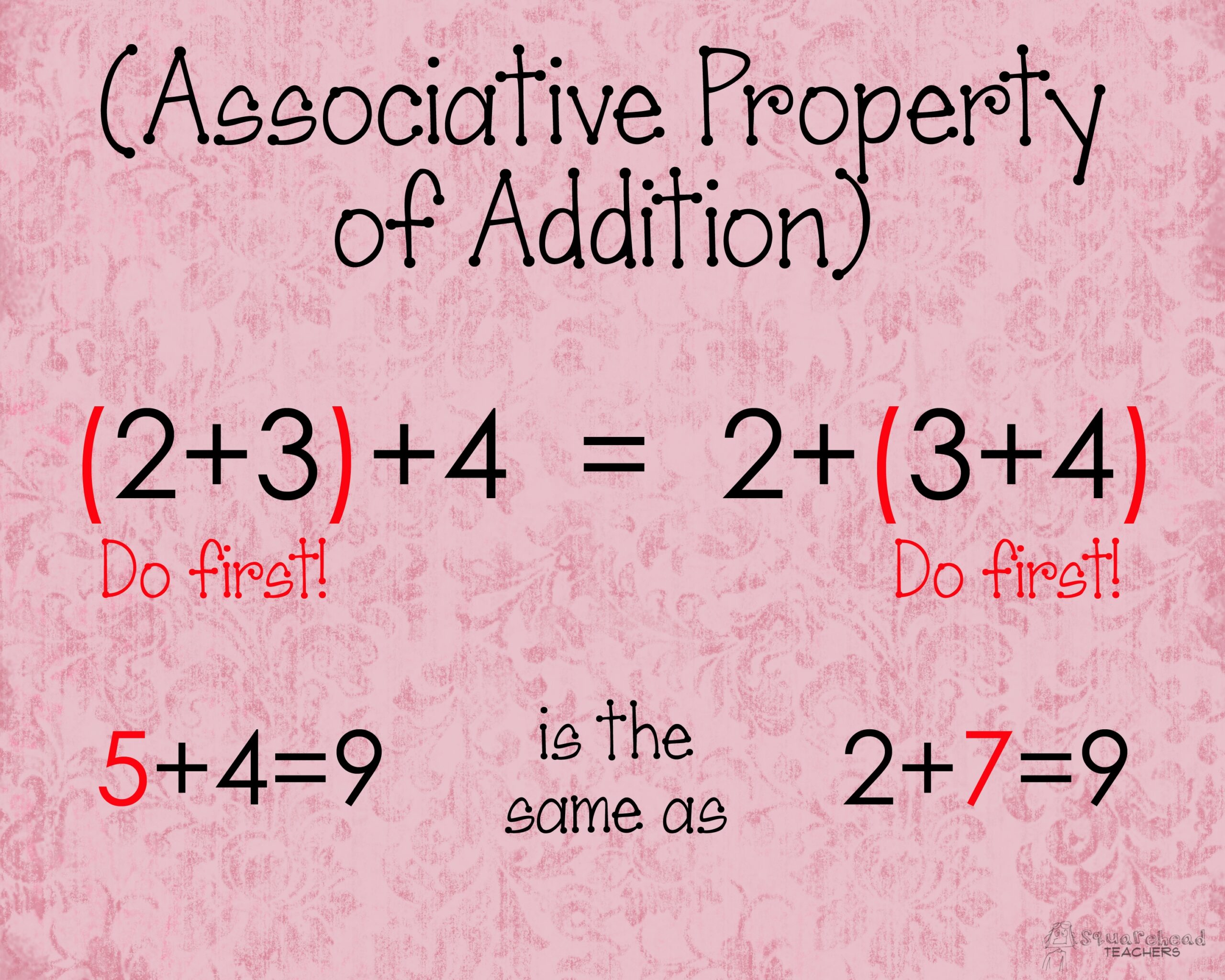
Associative Property Of Addition Poster Squarehead Teachers
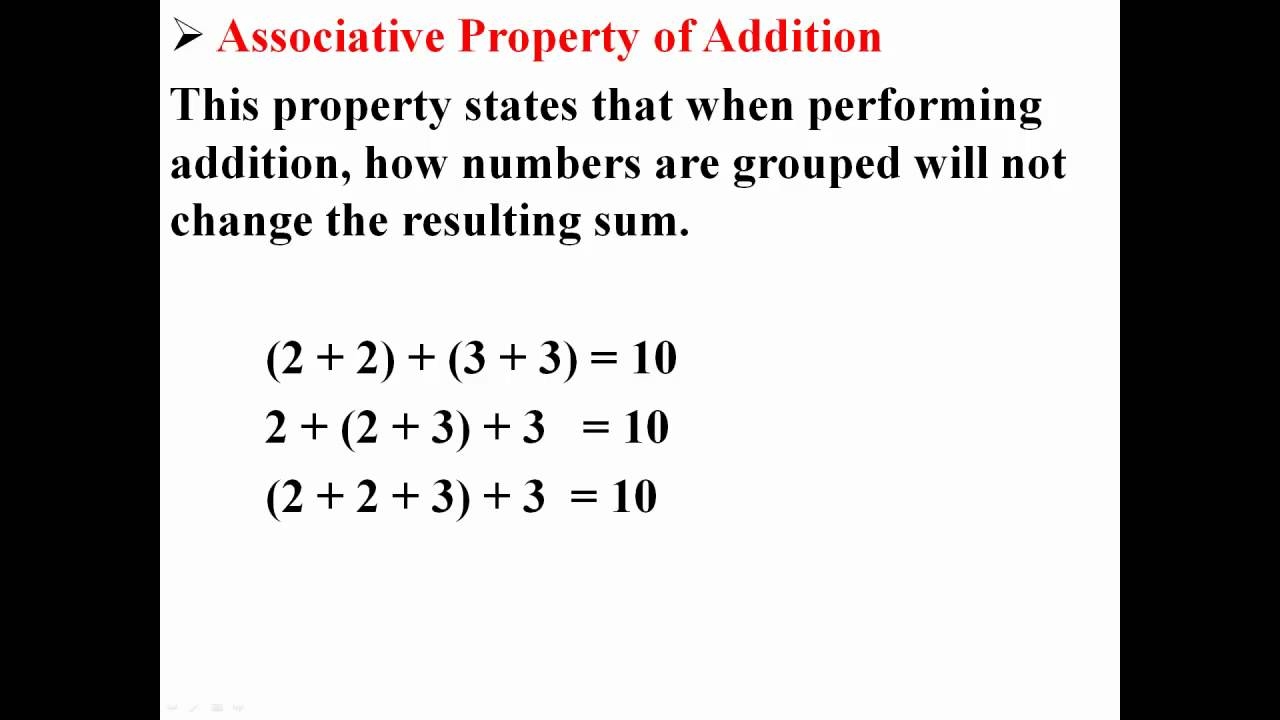
Associative Property Of Addition YouTube