
Flowers are not just beautiful to look at, but they also have fascinating parts that play a crucial role in their growth and reproduction. Understanding the different parts of a flower can help you appreciate their beauty even more.
From the colorful petals to the tiny pistil, each part of a flower serves a specific purpose in the plant’s life cycle. Whether you’re a botany enthusiast or just curious about nature, learning about the parts of a flower can be both educational and fun.
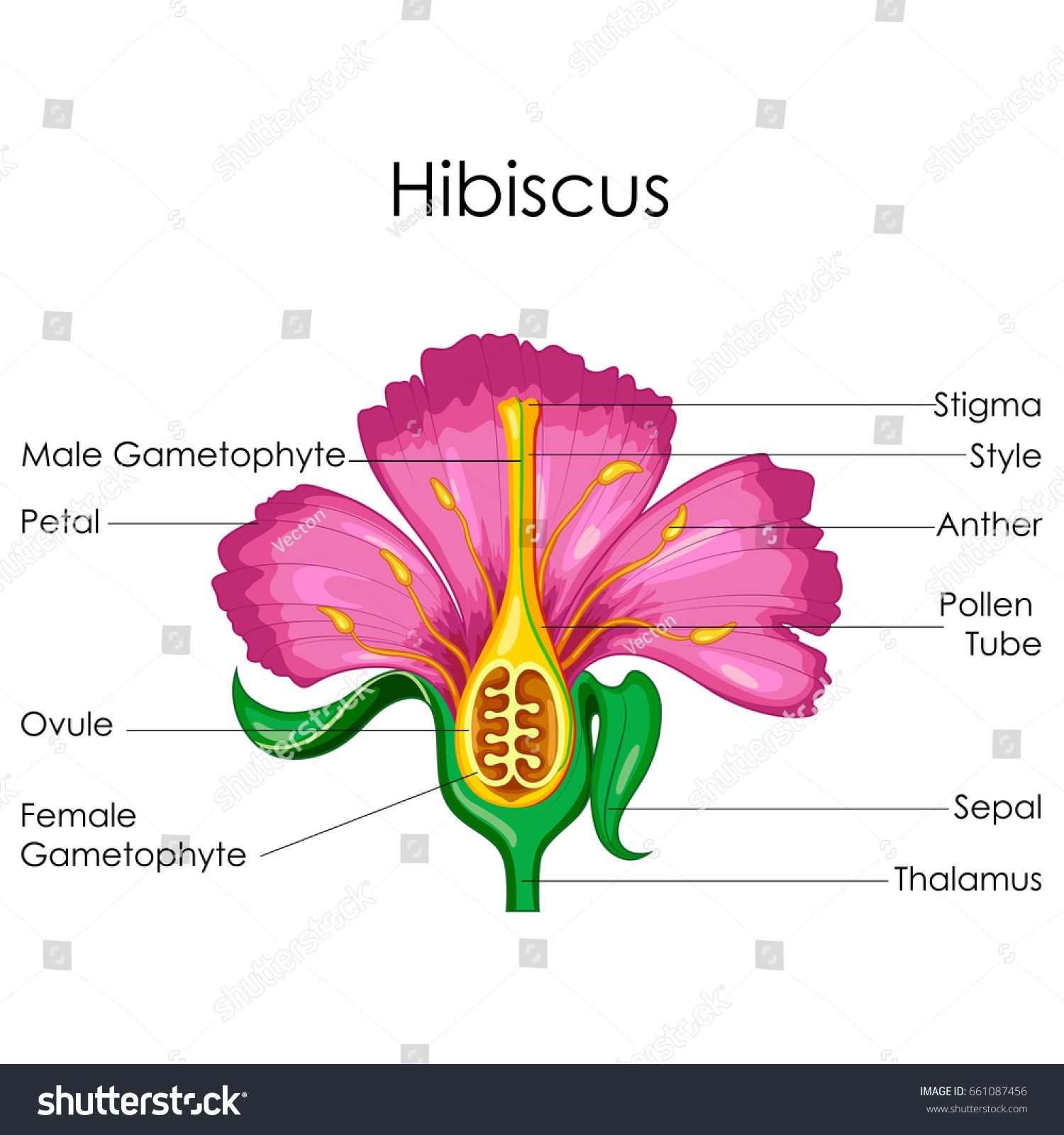
parts of a flower labeling
Parts of a Flower Labeling: Exploring the Anatomy
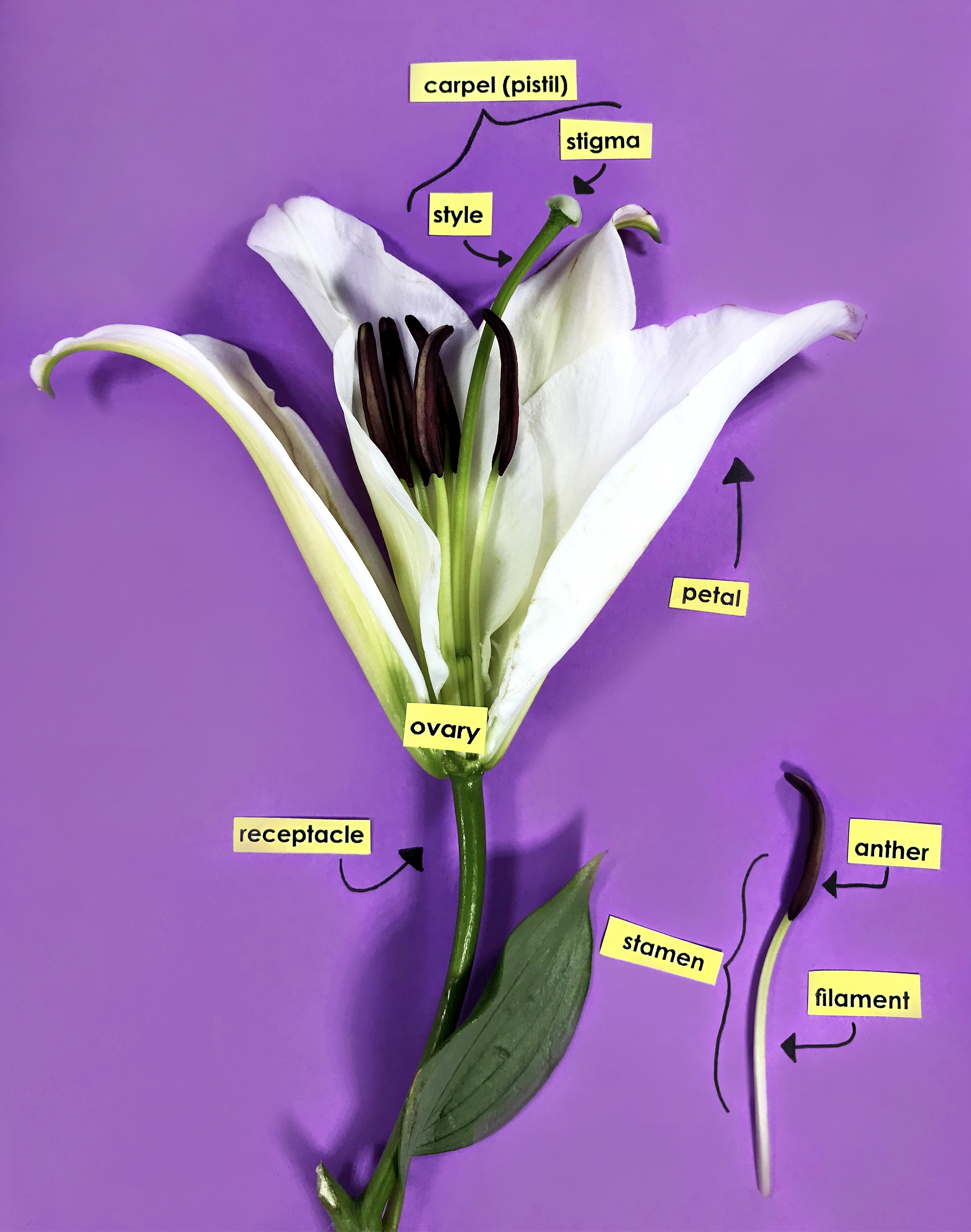
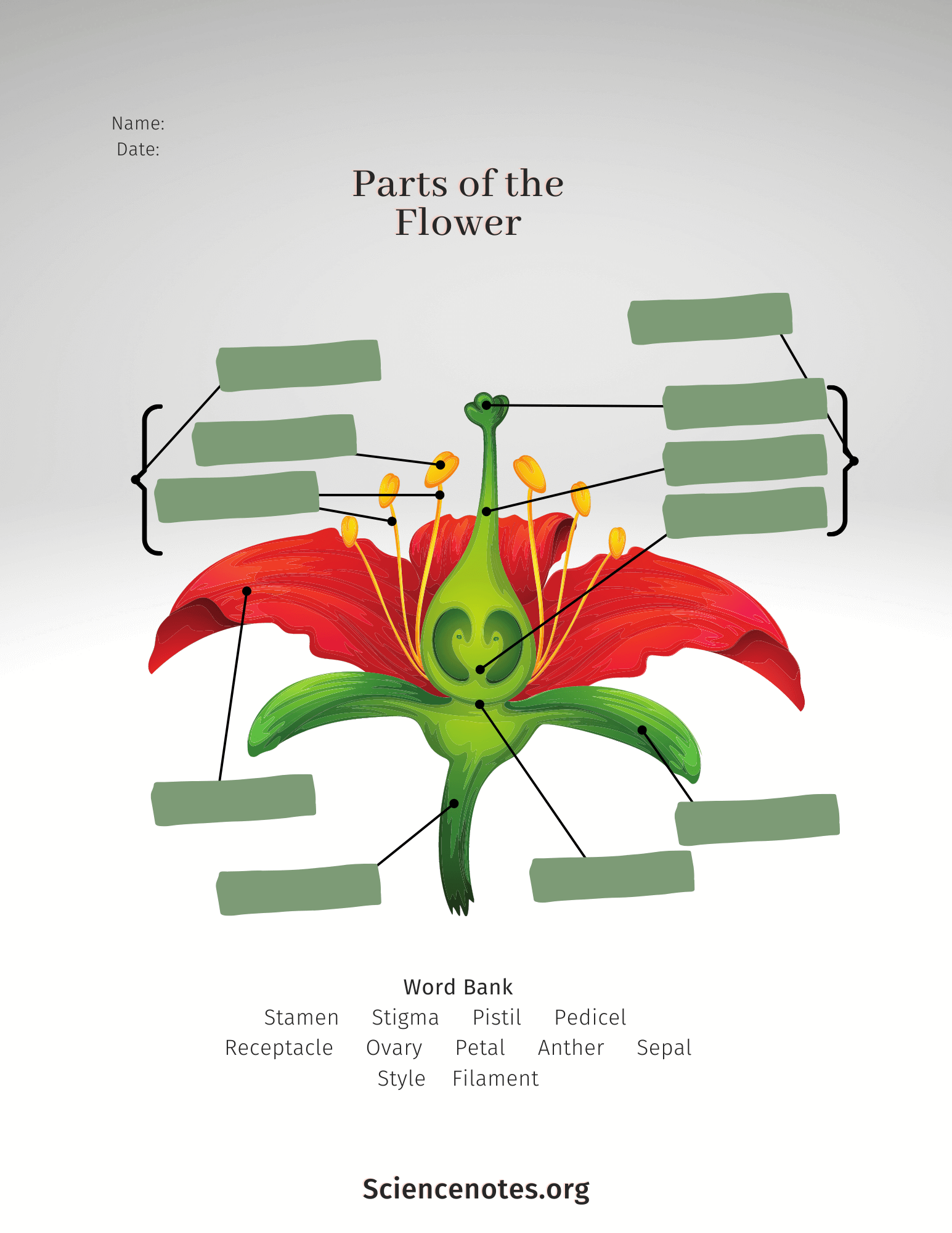
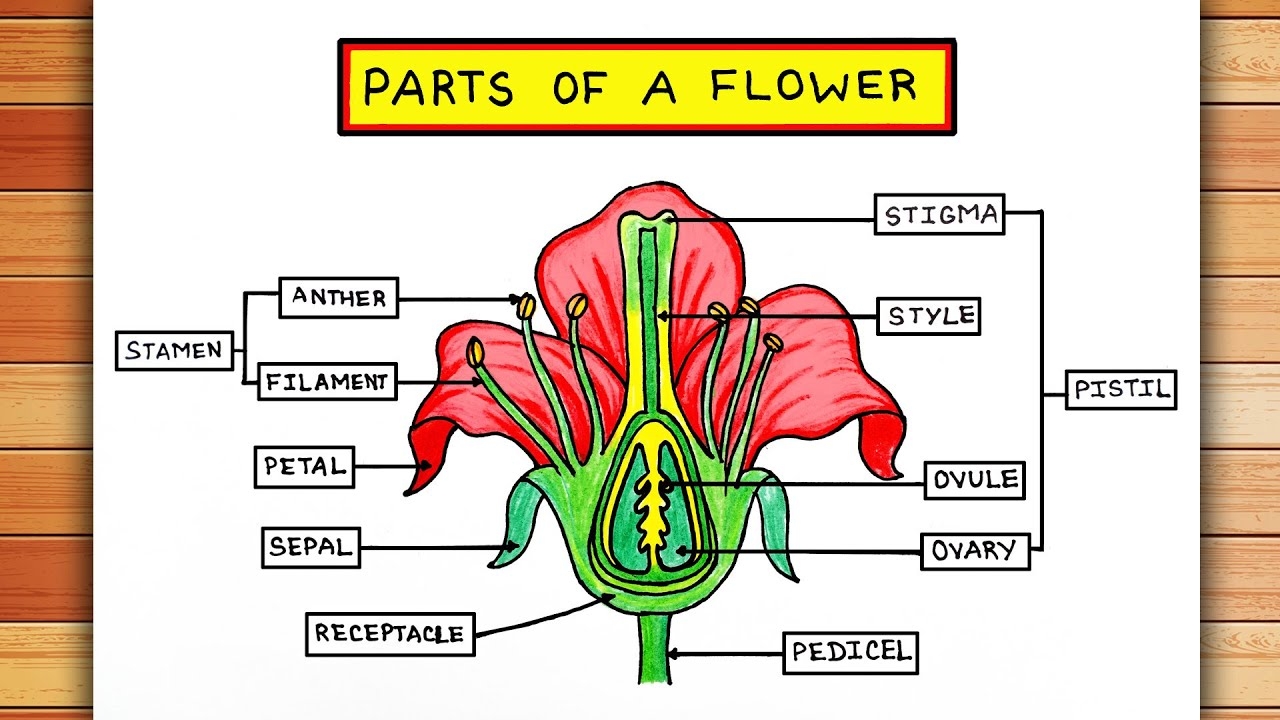
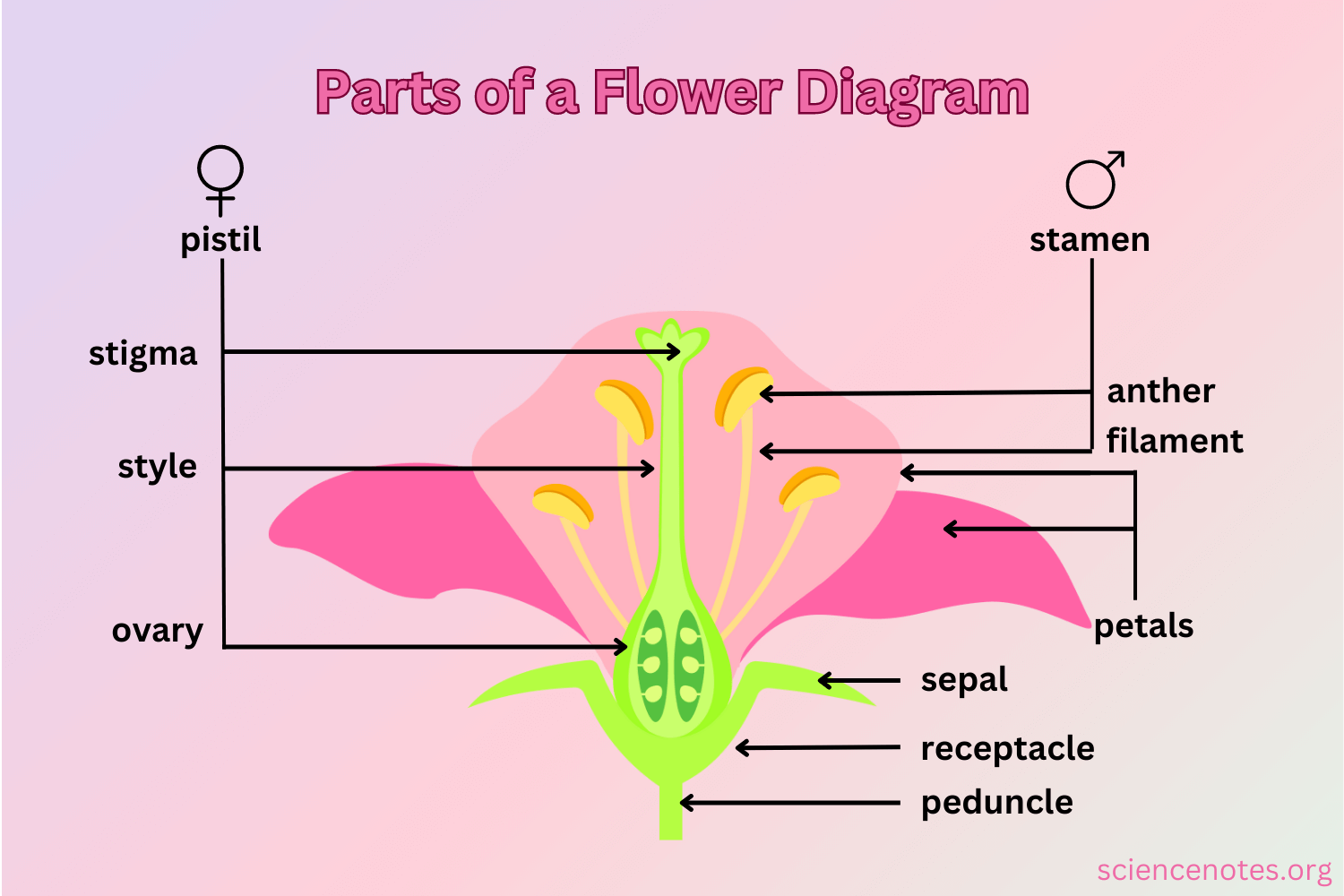
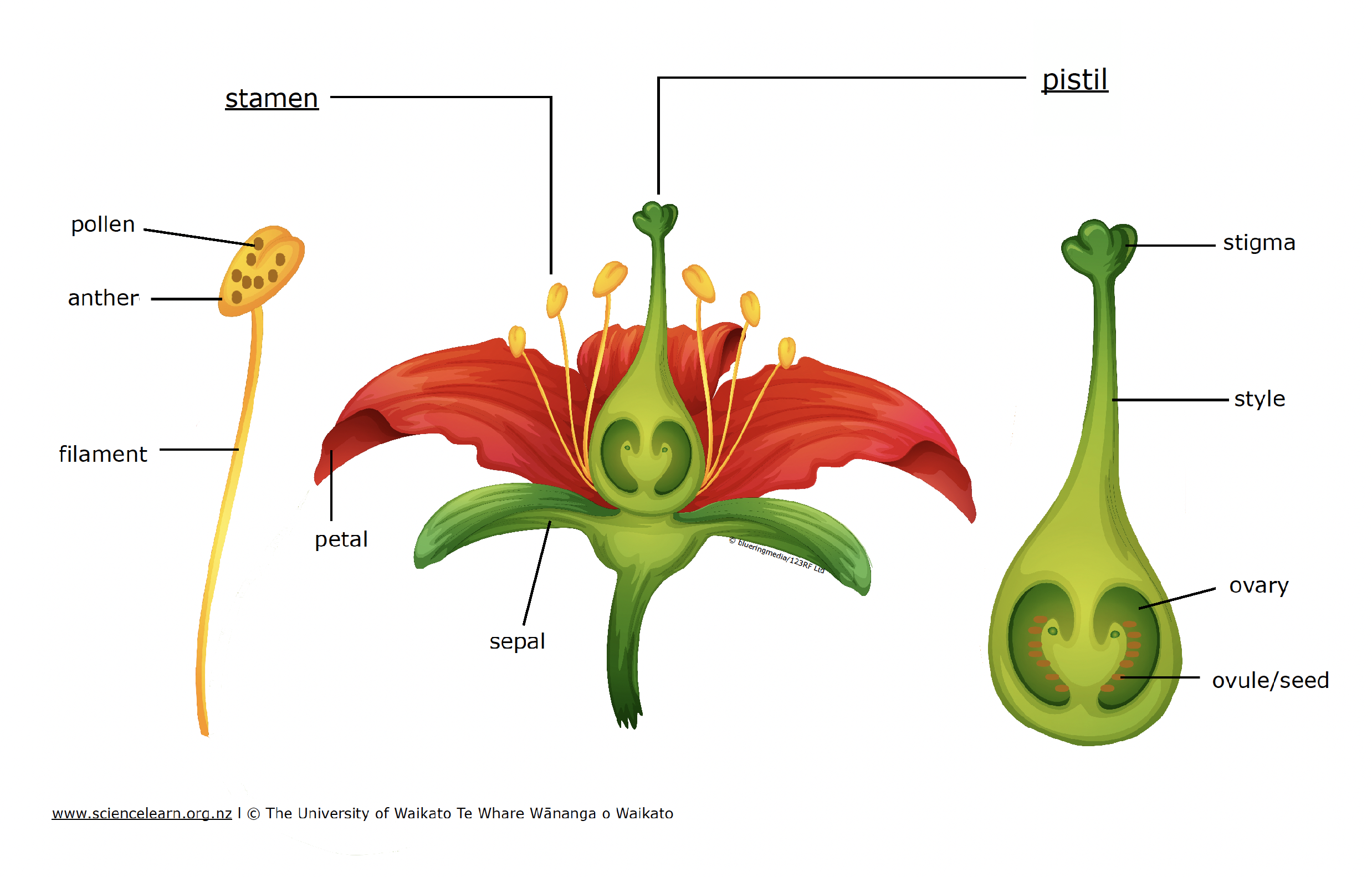
1. Petals: The colorful, leaf-like structures of a flower that attract pollinators with their vibrant hues and sweet scents.
2. Sepals: Green, leaf-like structures that protect the flower bud before it blooms and provide support to the petals.
3. Stamen: The male reproductive part of a flower, consisting of the anther (produces pollen) and filament (supports the anther).
4. Pistil: The female reproductive part of a flower, comprising the stigma (receives pollen), style (connects stigma to ovary), and ovary (contains ovules).
5. Ovules: The egg-containing structure within the ovary that, when fertilized, develops into seeds.
Whether you’re admiring a bouquet of roses or observing wildflowers in a meadow, take a moment to appreciate the intricate beauty and functionality of the parts of a flower. Each component plays a vital role in the plant’s reproduction and survival, making flowers not just aesthetically pleasing but also scientifically fascinating.
Parts Of A Flower Activity Blog Post
Parts Of A Flower Diagram And Functions
How To Draw And Label Parts Of A Flower Longitudinal Section Of Flower Drawing Flower Diagram YouTube
Parts Of A Flower Diagram And Functions
Label The Flower Parts Science Learning Hub