
If you’ve ever struggled with solving tricky math problems, you’re not alone. One area that often trips students up is the order of operations. These rules tell us which calculations to do first in a math expression.
It can be challenging to remember the order of operations, especially when faced with complex problems. But with practice and a solid understanding of the rules, you can tackle even the most difficult questions with confidence.
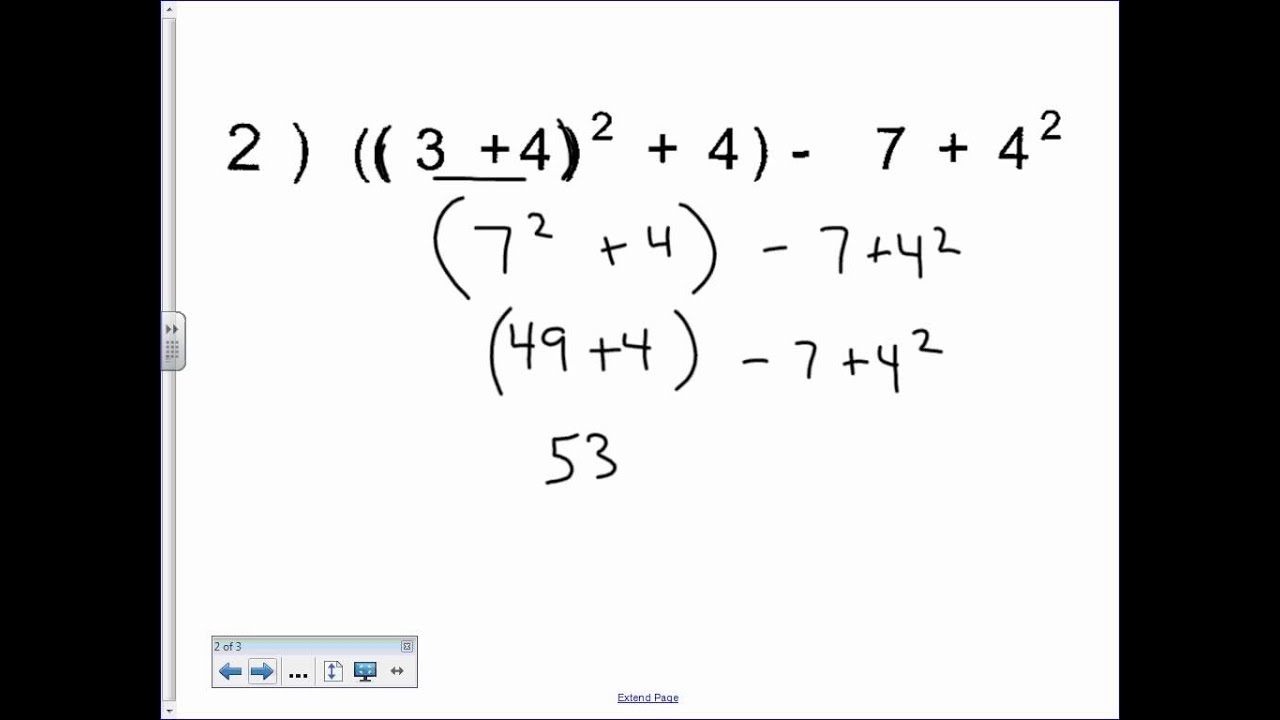
hard order of operations questions
Mastering Hard Order of Operations Questions
When dealing with hard order of operations questions, it’s crucial to remember the acronym PEMDAS. This stands for Parentheses, Exponents, Multiplication and Division (from left to right), and Addition and Subtraction (from left to right).
One common mistake students make is forgetting to work inside parentheses first. Always start by simplifying expressions within parentheses before moving on to exponents, multiplication, division, addition, and subtraction.
Another tip is to take your time and carefully follow each step of the order of operations. Rushing through calculations can lead to errors and confusion. Make sure to double-check your work and show all your steps clearly.
Practice is key when it comes to mastering hard order of operations questions. The more you work on challenging problems, the more comfortable you’ll become with the rules and the order in which to perform calculations. Don’t get discouraged – keep practicing and you’ll improve over time!
By understanding and practicing the order of operations, you’ll build a solid foundation for solving math problems more effectively. Remember to take your time, show all your work, and practice regularly. With patience and perseverance, you can conquer even the most difficult order of operations questions.
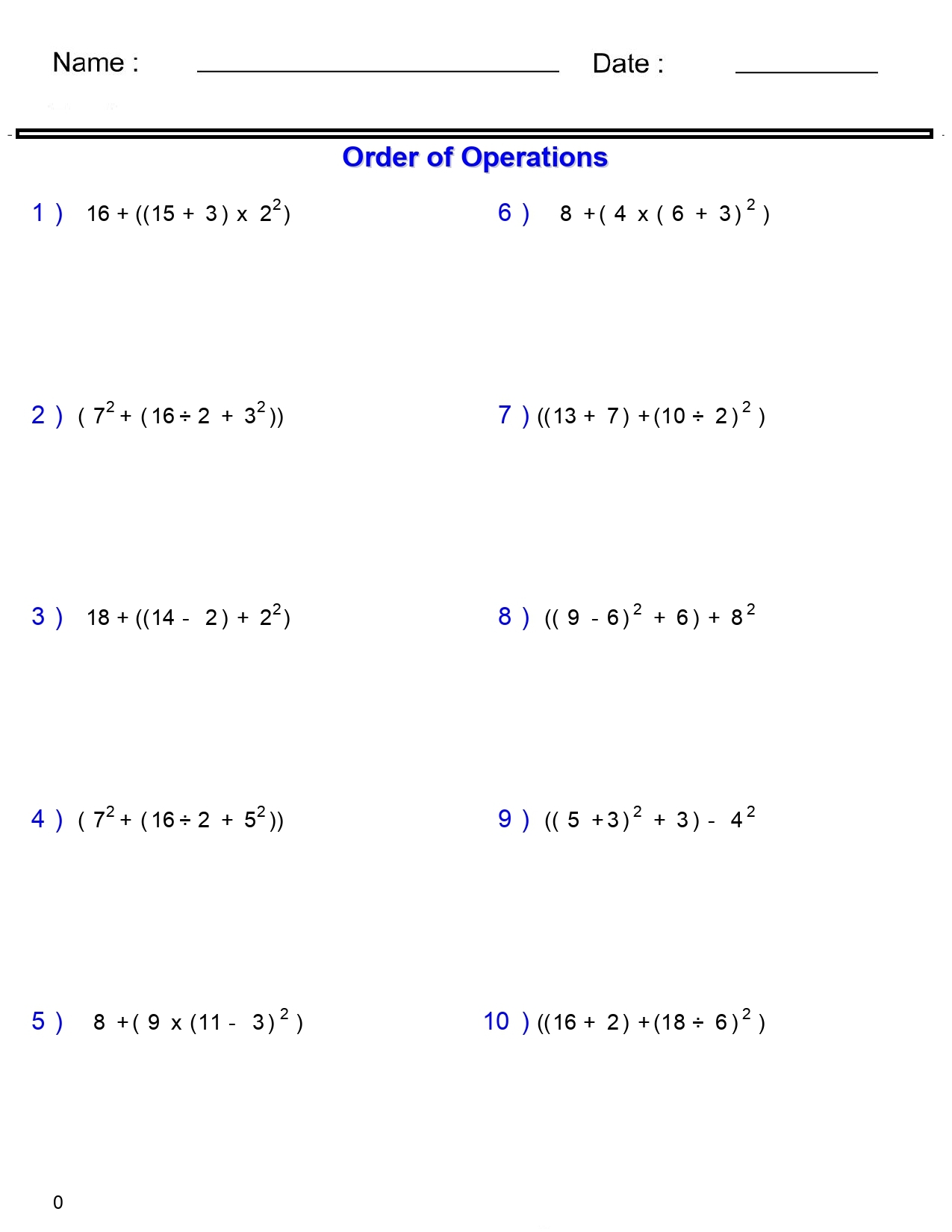
PEMDAS Problems Order Of Operations Worksheets Basic With Nested Parentheses And Exponents Made By Teachers
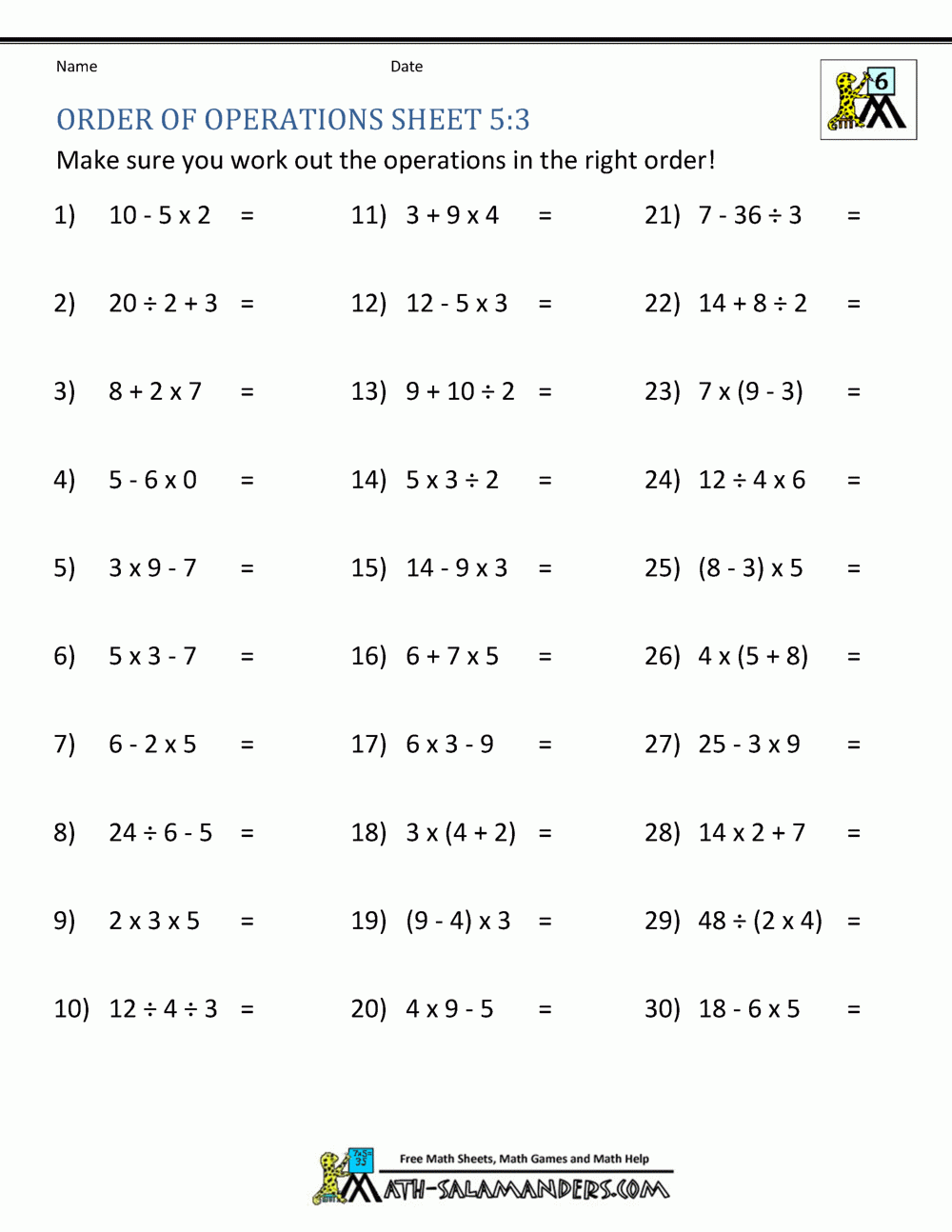
PEMDAS Problems
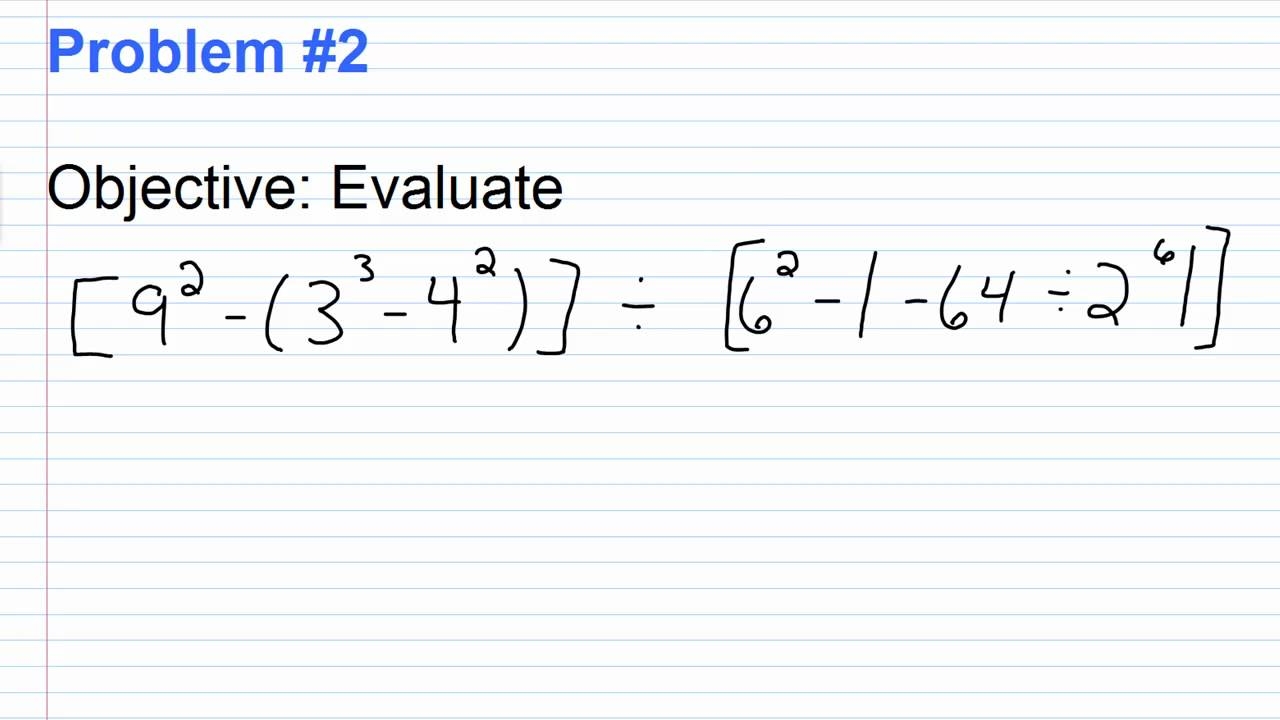
Practice The Order Of Operations YouTube
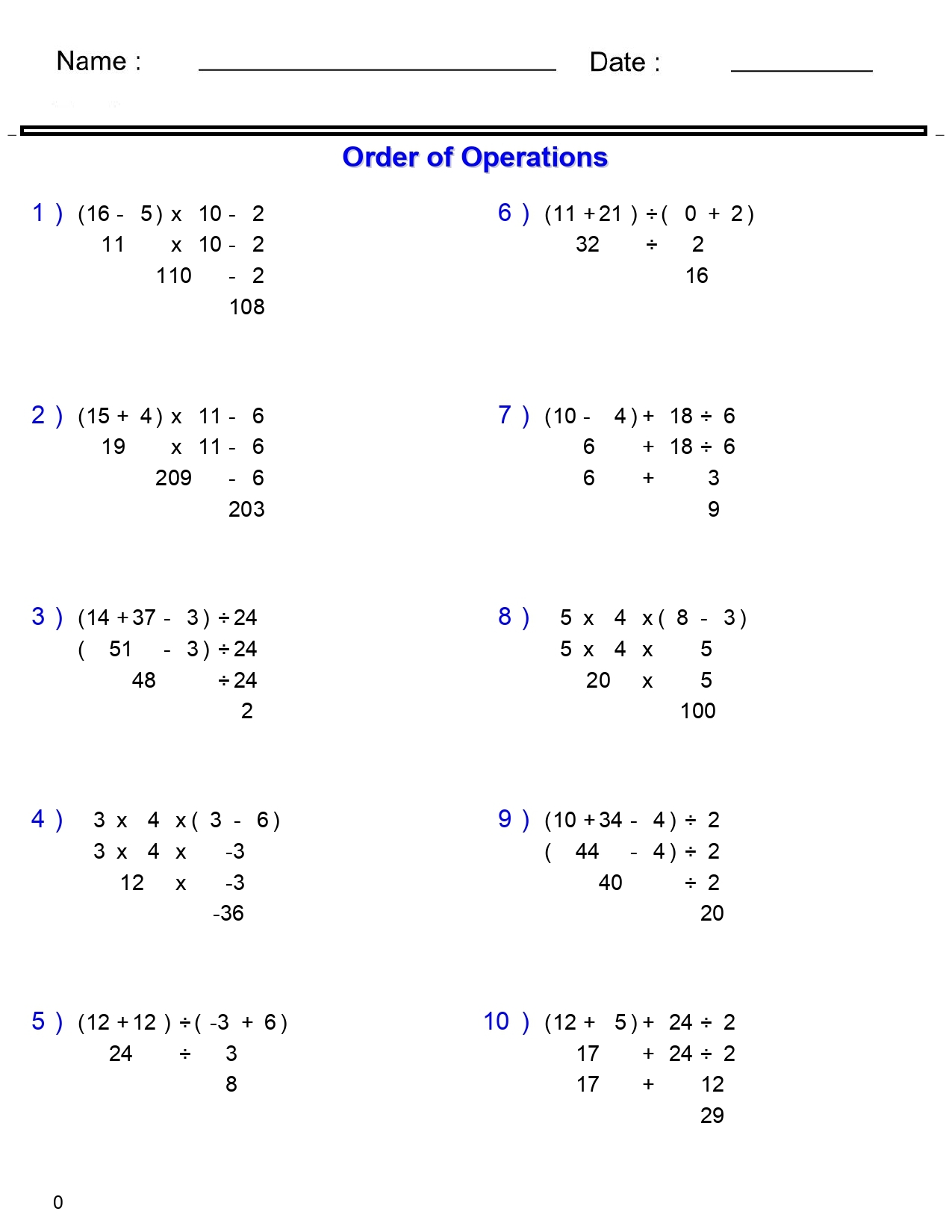
PEMDAS Problems Order Of Operations Worksheets Basic With Parentheses Made By Teachers
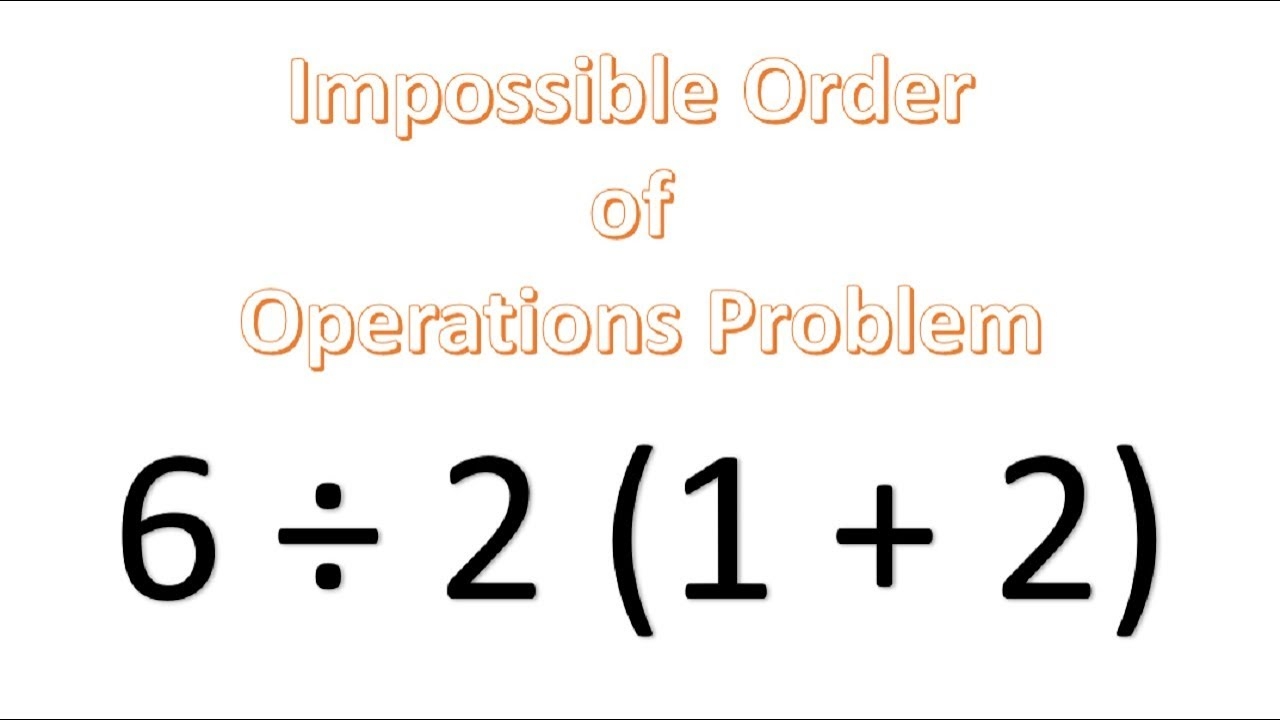
Impossible Order Of Operations Problem Explained YouTube